Read the water with care
Depth, temperature and oxygen are different measurements. A mark on a sonar screen does not measure dissolved oxygen, and a thermocline is not a fixed depth to fish.
Explore the learning library →Field guide · East Texas
Flathead, blue, or channel? Start with the head, tail and anal fin. These details matter more than a nickname or a fish’s color.
Species reference
Pylodictis olivaris
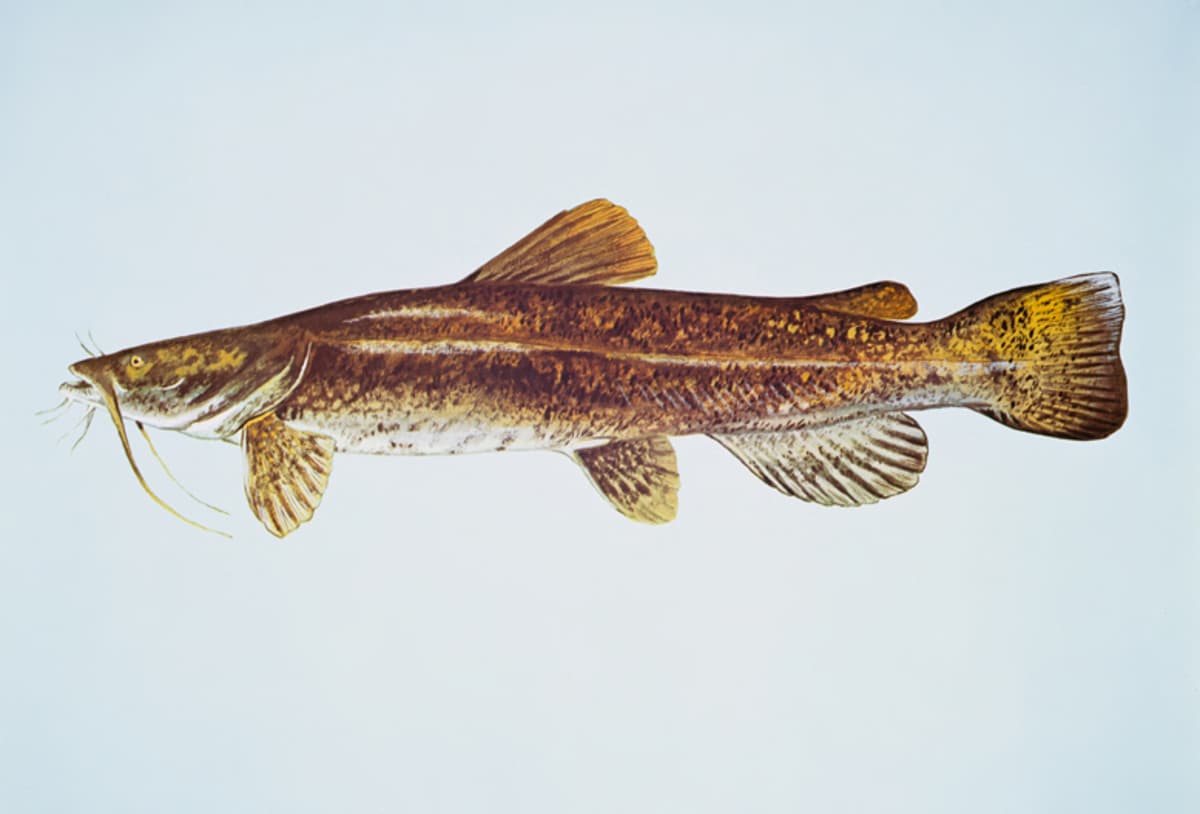
Built for cover.
Lake O’ the Pines · Dated reference
5 per day · 18-inch minimumIdentify the species before keeping it. This is the Lake O’ the Pines rule checked on the date below.
Checked September 6, 2026. This is a reference, not a live regulation feed or a ruling about your catch. Confirm the current rule, gear, bait, license and possession requirements with TPWD before fishing.
Print a comparison sheet or save it as a PDF. No signup needed.
FLATHEAD & OL’ BLUE · EAST TEXAS FIELD NOTES
Compare several features together. Color alone does not identify a fish.
| Species | Head and markings | Tail and anal fin |
|---|---|---|
| Flathead catfishPylodictis olivaris | Broad, flattened head with a lower jaw that projects beyond the upper jaw. | Slightly notched; much less forked than a blue or channel catfish. Shorter anal fin than a blue catfish; confirm the head and tail features together. |
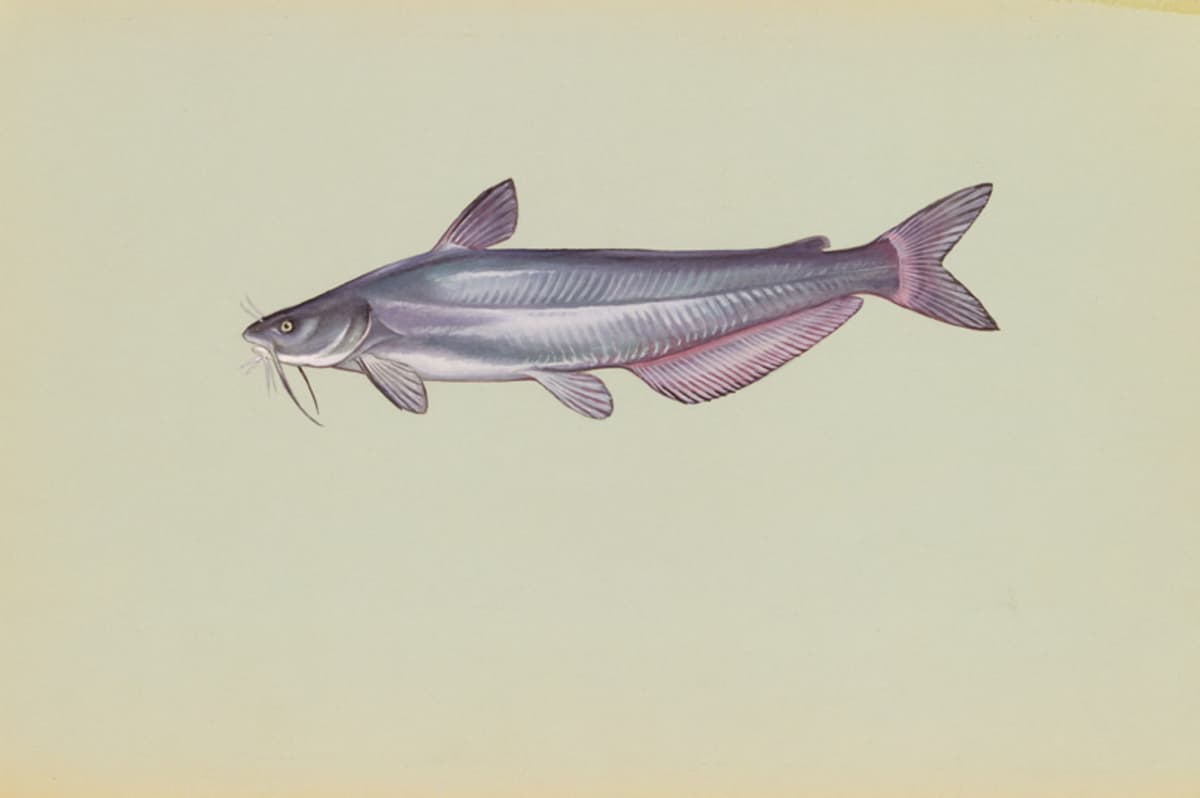 Blue catfishIctalurus furcatus Blue catfishIctalurus furcatus | A slate-blue back and pale belly are clues. Color alone is not enough for a reliable identification. | Deeply forked, similar to a channel catfish. Straight outer edge on the anal fin, with 30–36 rays. |
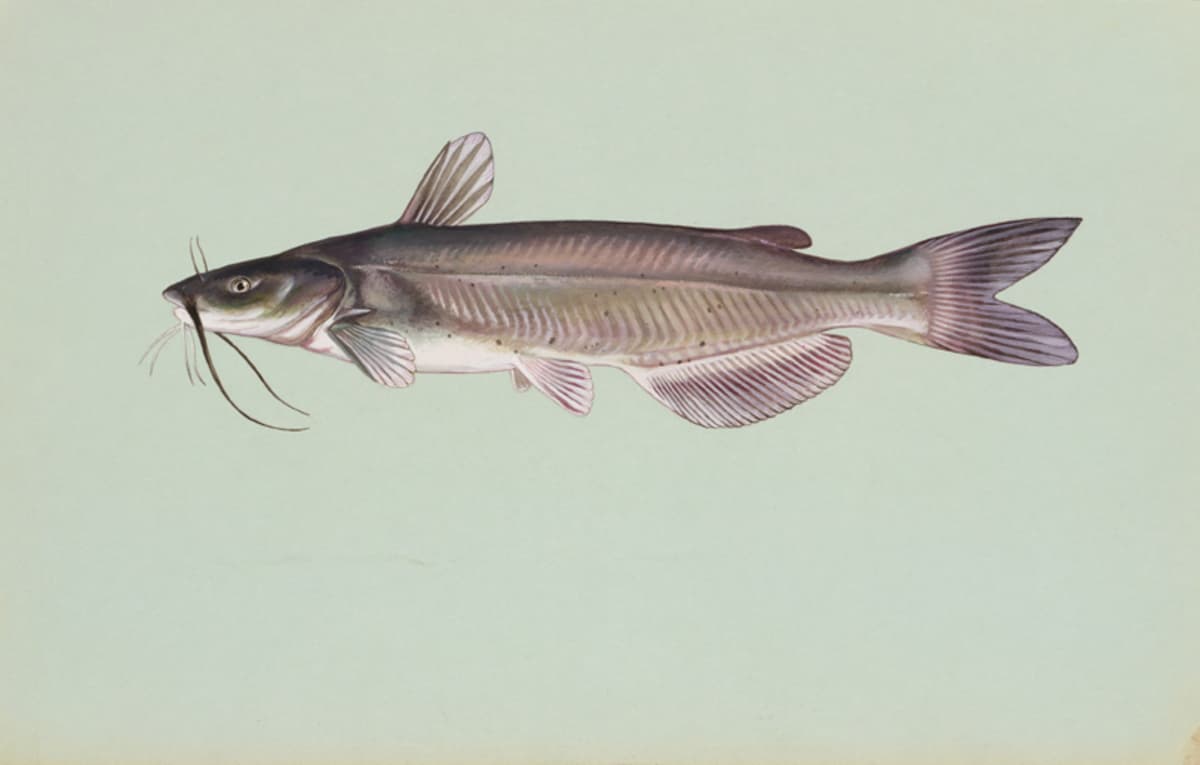 Channel catfishIctalurus punctatus Channel catfishIctalurus punctatus | Young fish often have dark spots. Large adults can lose those spots, so compare the fins too. | Deeply forked. Rounded outer edge on the anal fin, with 24–29 rays. |
Flathead: 5 per day, 18-inch minimum.
Blue + channel: 25 combined per day, no minimum length. Only 10 of the combined 25 may be 20 inches or longer.
This is a dated reference. Check current size, bag, possession, device, bait and license rules before every trip. Check DSHS consumption advice separately before planning a meal.
Illustrations: Duane Raver / USFWS (public domain). Fish are not shown at the same scale.
Catfish identification: tpwd.texas.gov/regulations/outdoor-annual/fishing/freshwater-fishing/catfish-identification
Flathead: tpwd.texas.gov/huntwild/wild/species/catfish/
Lake rules: tpwd.texas.gov/fishboat/fish/action/fishregs2.php?water=0428
Updated field guide: flatheadandolblue.com/field-guide
Depth, temperature and oxygen are different measurements. A mark on a sonar screen does not measure dissolved oxygen, and a thermocline is not a fixed depth to fish.
Explore the learning library →Record the species, bait and conditions. Keep exact locations private. Export your notes so a cleared browser does not take your season with it.
Open your catch log →